1. Mulch to keep cool
Spread a 5cm layer of compost over your garden beds to keep soil and plant roots cool. Try Neutrog’s Chockablok, contains no green waste and uses composted raw materials full of nutrients and humates to boost soil microbes.

2. Smother those weeds
Bare soil is an invitation for weeds to grow. Plant easy growing perennials such as Easter daisy and brachyscombe daisy to smother the soil. In coastal gardens, try pink Pig face (Carpobrotus rossii 'Pink Passion’), that will spread to 3m with large bright pink daisy flower. This tough hardy ground covering perennial succulent has large, silky bright pink flowers in spring and summer. The plant is drought, salt and somewhat frost resistant and you’ll find it a fast-growing, easy-care plant that can be used for stabilisation of dunes and banks. It likes a well-drained soil, from clay loam to sandy and it is moderately fire retardant, so good planted close to homes instead of more flammable plants.
4. Water wisely
Water deeply early in the morning so plants can drink before the hot sun arrives. Apply a soil wetter, like Richgro’s Ezi-Wet, to stop soil from becoming water-repellent during hot weather. Check water systems: test your hoses and drip lines to make sure they work effectively. Inspect spray nozzles: look for dirt, sand or mineral buildup blocking nozzle openings. Clear clogged nozzles gently with a small wire or pin. Examine sprinkler heads: look for cracked nozzles, broken risers or heads that do not pop up fully. Test drip lines: Check inline drip emitters for salt crust or sediment. Listen for uneven pressure drops along the line.
5. Make your water wetter
As your garden soil dries in summer it becomes hydrophobic – it repels water. This means valuable water runs off the dried soil surface. Granular wetting agents can be sprinkled over your garden and allow water to penetrate down deep to plant roots. This wetting agent can be used for pots, lawns, gardens and edibles. It encourages deeper root growth, assists water penetration, improves efficiency of fertilisers and reduces water run-of. Apply every 6-8 weeks.
6. Grow your best roses
Fertilising should be done three times a year: start of summer, start of autumn and first flower flush in spring. So now the time is right.
Sprinkle pelletized fertilisers, such as Sudden Impact by Neutrog, around each rose. Don’t feed after the autumn flush, as this encourages fresh growth that may become damaged with frost.
New roses should be kept moist with regular deep watering, as the correct watering technique is vital so as not to waste water. By training your roses to send their roots deep into the soil, they will require less water once established and will be insulated from extreme temperatures.
Bucket Technique
-
With a bucket that holds approximately 9 litres of water, puncture 4 or 5 small holes in the base.
-
Place the bucket directly next to the rose and fill with plain water. Move aside any mulch so that the bucket sits directly on the soil.
-
Allow the water to completely drain from the bucket. This gives the plant a good deep soaking, without the risk of runoff.
-
If you are under water restrictions or water is scarce, use grey water! But avoid detergents with high phosphate levels. Water using the above bucket technique.
7. Create a waterlily wonderland
Waterlilies are shy until the mercury hits 30°C and then they unfold their beautiful blooms. It’s super easy to grow them in large water bowls at least 50cm deep. Plug any drainage holes and fill with rainwater.
Waterlily colours range from white, through shades of pink, magenta, apricot, yellow, blue and purple. There are night-blooming varieties which open in the evening and close mid-morning. And there are miniature varieties, ideal for smaller, shallower pots. Feed them with special waterlily pellets and top up your bowl as water evaporates. And good news, your water bowl will attract frogs and lizards to keep the mosquito larvae at bay.
8. Don’t waste your lawn clippings
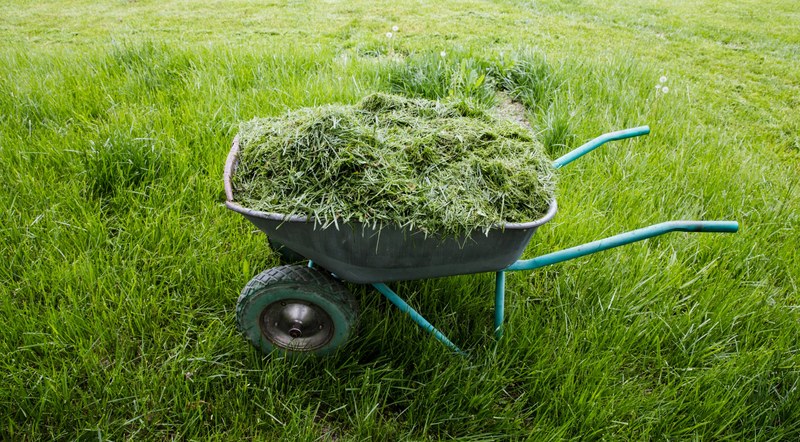
Keep your compost at its best and add layers of grass clippings with shredded newspaper plus a sprinkle of blood and bone to prevent them from compacting. Keep the compost pile just moist in hot weather but cover it in heavy rain.
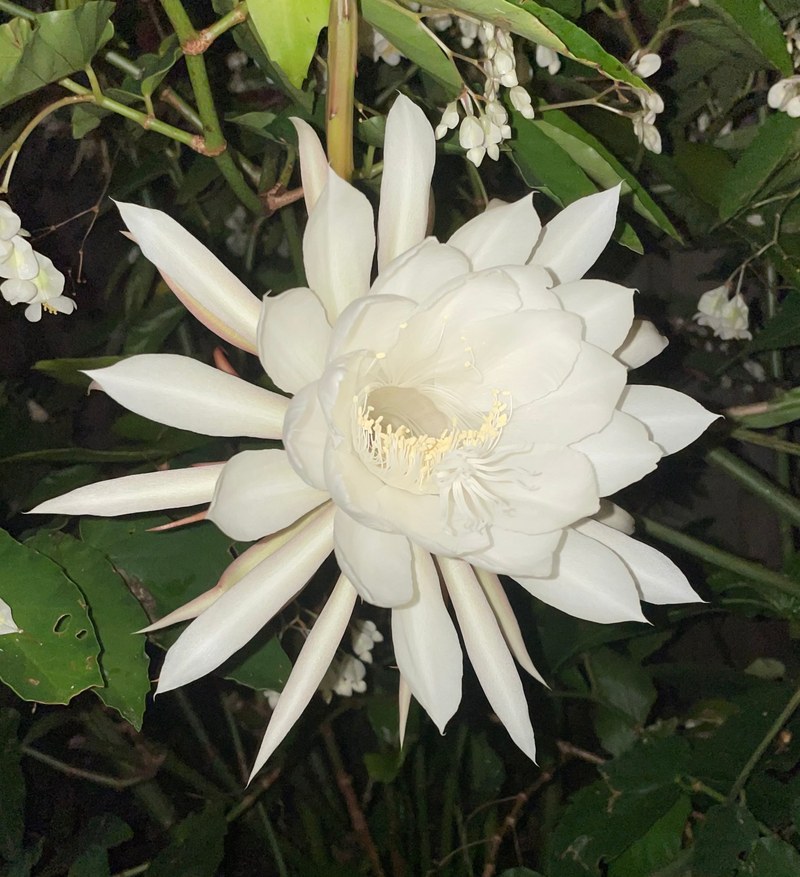
9. You’ll love Queen of the Night cactus
One of summer’s treats is this extraordinary cactus. You have to stay up late to enjoy the opening of this fragrant flower which is shaped like a majestic waterlily as flowers are large, white and fragrant. If you are an early riser and usually early to bed - this plant is not for you! She flowers between dusk and dawn, a highlight of the party season. She likes gentle early morning sun, light or filtered light, but dislikes the hot afternoon sun where the leaves will tend to yellow in this position. If you can, grow your E. oxypetalum up into the branches of frangipani - as they flower at the same time. Epiphyllums are easy to grow in large hanging baskets or supported in a large pot with stakes or a trellis.
10. Turn yourself upside down
Plant an upside-down orchid (Stanhopea) as this fascinating epiphytic orchid, native to Central and South America, is famous for producing large, exotic and strongly vanilla-scented flowers that push downwards through the bottom of their container rather than growing upwards. You can plant yours in hanging wire baskets lined with paperbark, rather than solid pots so the flowers can emerge freely.
